ZITF 2026: The Produce and Poultry Hall Stole the Show, and Zimbabwe’s Farmers Finally Got Their Moment
Published: 27 April 2026 | By the ChickenPrices.co.zw Team
For six days in Bulawayo, the Zimbabwe International Trade Fair did what it does every year. The suits walked through the halls. The speeches were made. The handshakes happened. But this year, something felt different. The real energy at ZITF 2026 wasn’t in the corporate pavilions or the mining exhibits. It was in the Produce and Poultry Hall, where the people who actually grow Zimbabwe’s food stood next to their products and looked buyers in the eye.
And buyers showed up. Supermarket procurement managers. Restaurant chefs. Grain millers. Exporters. They came to the hall, tasted the products, asked the questions, and signed contracts on the spot. No middlemen. No brokers. Just the farmer and the buyer, shaking hands over a deal that both sides needed.
ZITF 2026 may have closed its gates on Saturday, but for the smallholders walking out of Bulawayo with signed order books, the season is just beginning.
What Happened in the Produce and Poultry Hall
This year’s ZITF ran under the theme “Connected Economies, Competitive Industries” with 775 exhibitors from 31 countries taking part, up from 28 countries last year. Running concurrently, the Bulawayo Agricultural Society show brought over 160 birds on exhibition in the poultry section, alongside 22 rabbits and thousands of entries in the crop produce section.
The Produce and Poultry Hall was the heartbeat of Day 6. Here’s what stood out.
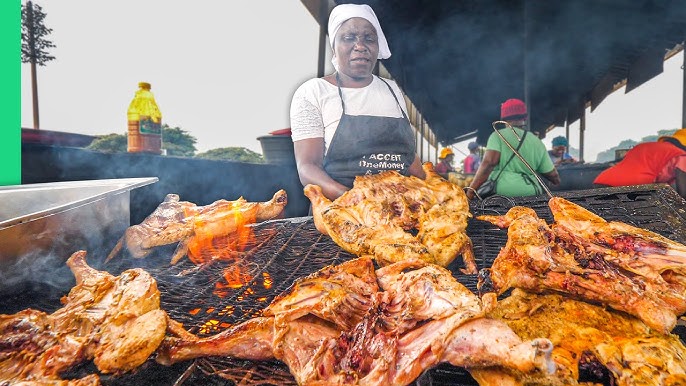
Indigenous chickens found their market. For years, indigenous poultry breeds have been dismissed as backyard birds not worth commercialising. That narrative took a hit at ZITF 2026. Farmers showcased Boschveld, Naked Neck, and local free-range crosses that buyers contracted on the spot. Restaurants looking for “farm to table” menu authenticity and consumers willing to pay a premium for flavour over speed are creating a real market for indigenous birds. These chickens take longer to grow, 12 to 16 weeks compared to 5 to 6 weeks for commercial broilers, but they command $10 to $15 per bird versus $6 to $8 for a standard broiler.
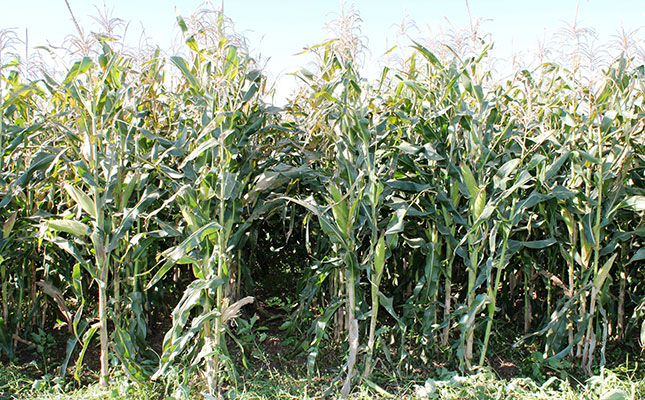
Climate-smart crops entered the conversation. Drought-tolerant sorghum, millet, rapoko, and finger millet were sold in bulk directly from farmer to miller. These aren’t just survival crops. They’re becoming commercial products with real demand from health-conscious consumers and the growing gluten-free market. For poultry farmers, the relevance is direct. Sorghum and millet can partially replace maize in poultry feed formulations, reducing dependence on a single grain that fails whenever the rains don’t come.
Heritage goats and cattle breeds drew attention. Mashona cattle, Matebele goats, and Tuli breeds stood proud in the livestock section. The genetics conversation is shifting from “import expensive foreign breeds” to “value what we already have.” The same principle applies to indigenous poultry.
Rabbits made their case. Often overlooked, rabbit farming was well represented. With a feed conversion ratio better than broilers and the ability to breed year-round, rabbits are gaining traction as a protein source for both households and restaurants.
The Poultry Players at ZITF 2026
The Produce and Poultry Hall brought together a mix of established industry players and emerging smallholders. While not every exhibitor was exclusively poultry-focused, the sector was well represented across several categories:
Hatcheries and breeding stock suppliers were present showcasing broiler and layer chicks, indigenous breeding stock, and SASSO dual-purpose birds. Day-old chick pricing and availability remains the biggest concern for smallholders, and having face-to-face conversations with hatchery representatives gave farmers direct access to supply chain decision-makers.
Feed manufacturers and suppliers displayed commercial feed products, concentrates, and premixes. For smallholders exploring self-mixing, the ability to compare products side by side and ask technical questions about formulations was invaluable. With feed accounting for 65 to 70 percent of production costs, even small improvements in feed efficiency or pricing make a meaningful difference.
Equipment suppliers showcased poultry housing solutions, drinkers, feeders, brooders, egg grading equipment, and small-scale processing tools. The trend toward affordable, locally manufactured equipment was evident, with several exhibitors offering solutions designed specifically for the 100 to 500 bird operator.
Veterinary and health companies including vaccine distributors and animal health product suppliers were on hand. Biosecurity education, vaccination programme advice, and disease management support were offered at several stands, bridging a critical knowledge gap for smallholder farmers who often lack access to veterinary advice between shows.
Smallholder farmer groups and cooperatives exhibited their products directly. Indigenous poultry, free-range eggs, dressed chicken, and value-added products like marinated portions were displayed alongside the big commercial operators. This is where the real story was. Farmers who normally sell from their backyards or through WhatsApp groups were standing in a professional exhibition hall, presenting their products to national buyers.
Three Insights the Poultry Sector Should Take Away
1. The market for indigenous and free-range poultry is real and growing.
The contracts signed at ZITF confirm what the market has been whispering for the past two years. There is a segment of buyers, including restaurants, lodges, and urban consumers, who will pay a premium for chicken that tastes like chicken. Indigenous breeds, free-range birds, and organic or naturally raised poultry command 40 to 100 percent price premiums over standard commercial broilers. The challenge is supply consistency. Buyers need reliable weekly or monthly volumes, not one-off batches. Farmers who can organise into cooperatives and deliver consistently will capture this market.
2. Smallholders need direct-to-buyer platforms, not more middlemen.
The most powerful moment at ZITF was watching farmers negotiate directly with supermarket buyers. No agent. No broker. No commission. Just a conversation between the person who grew the food and the person who will sell it. This model needs to be replicated beyond ZITF. Digital platforms, WhatsApp-based ordering systems, and tools like our interactive price map can create permanent connections between producers and buyers that last long after the exhibition halls close.
3. Feed diversification is no longer optional.
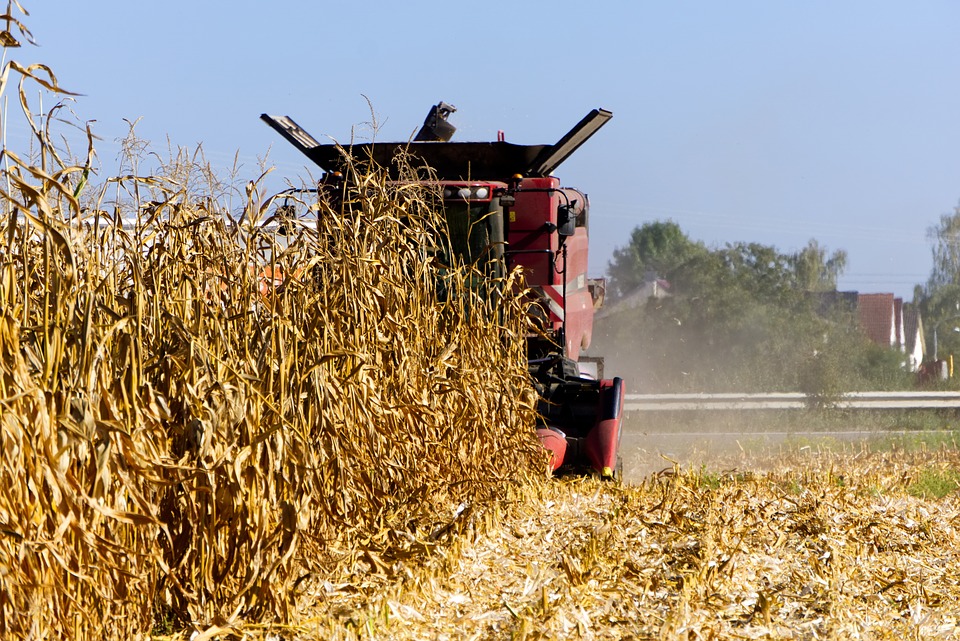
The farmers exhibiting drought-tolerant grains alongside their poultry are onto something. Zimbabwe’s over-reliance on maize for both human food and animal feed creates a structural vulnerability. When maize fails, which it did catastrophically in 2023/24, the entire poultry value chain suffers. Sorghum, millet, and other alternative grains can reduce that risk. Feed manufacturers who develop commercial poultry feeds incorporating these grains will have a competitive advantage in seasons when maize is scarce and expensive.
What Can Be Improved for 2027
ZITF 2026 was a step forward for the poultry sector, but there’s room to push further:
Dedicated poultry business matchmaking. The Produce and Poultry Hall brought farmers and buyers into the same space, but the connections were largely organic. A structured matchmaking programme, where farmers are pre-registered with their products, volumes, and pricing, and buyers are pre-registered with their requirements, would make the process more efficient and lead to more deals.
Live demonstrations. Showing birds in cages is fine, but live demonstrations of vaccination technique, feed mixing, brooding setup, and small-scale processing would add practical value for the thousands of smallholder visitors who come to learn.
A poultry-specific conference track. ZITF had the Rural Industrialisation Conference, the International Business Conference, and the Connect Africa Symposium. Adding a half-day poultry industry session covering market trends, biosecurity updates, feed cost forecasts, and policy updates would give the sector a dedicated voice within the broader programme.
Digital follow-through. The contracts signed at ZITF are valuable, but maintaining those relationships requires ongoing communication. A post-ZITF digital directory connecting the farmers and buyers who met at the show would extend the value of those handshakes.
More representation from smallholder women farmers. Women make up the majority of smallholder poultry producers in Zimbabwe but were underrepresented among exhibitors. Targeted support, including subsidised stand fees, transport assistance, and mentorship, would ensure the hall reflects who actually drives the industry.
Other Events Poultry Producers Should Attend This Year
ZITF is the biggest platform, but it’s not the only one. If you’re a poultry farmer looking to find buyers, learn from experts, and grow your network, here are the events to put on your calendar for the rest of 2026:
ZPA Annual Poultry Expo The Zimbabwe Poultry Association’s annual expo is the country’s premier poultry-specific event, uniting industry leaders, farmers, feed suppliers, equipment manufacturers, financiers, and policymakers. The booking deadline is 30 April 2026. This is the one event where every conversation is about poultry. If you attend nothing else, attend this. Website: zpa.co.zw
ADMA AgriShow 2026 The ADMA Agri Show takes place 4 to 6 June 2026 at ART Farm, Pomona, Harare. It is the largest agricultural exhibition in Zimbabwe, with over 280 exhibitors on 25 acres. This is where all the major agricultural dealers and equipment manufacturers showcase their products. If you need feeders, drinkers, brooders, or housing materials, this is where you compare everything in one place. Location: ART Farm, Pomona, Harare
Harare Agricultural Show The annual Zimbabwe Agricultural Show is the premier event organised by the Zimbabwe Agricultural Society, attracting over 550 commercial exhibitors, 700 farmers, 200 micro enterprises and over a quarter of a million visitors. It’s held at Exhibition Park on Samora Machel Avenue West in Harare, typically in August. The poultry section is always competitive, with birds judged by breed and quality. Exhibiting your birds here builds your reputation as a serious breeder. Contact: +263-024-780964 or WhatsApp +263 789 580788
Bulawayo Agricultural Society Show Running alongside ZITF, the BAS show features 160 birds in the poultry section, with exhibitors drawn from Bubi, Umguza, Umzingwane, Hwange, Mangwe, Matobo and Nkayi. If you’re based in Matabeleland, this is your show. The society has been working with Agritex to expand participation from rural farmers across the region.
Provincial and District Agricultural Shows Every province runs its own agricultural show, typically between July and October. These are smaller than ZITF or the Harare show, but they’re often more accessible for smallholder farmers. Entry fees are lower, competition is less intimidating, and you’re selling to your local market. Check with your local Agritex office for dates and entry requirements.
Zimbabwe Herd Book Small Stock School If you’re into indigenous breeds, this is a newer event focused specifically on small stock including poultry. Keep an eye on their announcements for the 2026 schedule.
How to Make the Most of These Events as a Poultry Farmer
Going to a show is one thing. Making it work for your business is another. Here’s what the farmers who walked out of ZITF with contracts did differently:
They came prepared. They had business cards (even simple ones printed at a photocopy shop), price lists, photos of their operations on their phones, and clear answers to “How many birds can you supply per month?”
They brought product. Nothing sells chicken like letting someone taste it. The farmers who brought dressed birds, cooked samples, or fresh eggs had buyers stopping at their stands.
They knew their numbers. When a supermarket buyer asks “What’s your price per kg for 200 birds per week?” the farmer needs to answer immediately, not go home and calculate. Know your cost of production, your margin, and your capacity before you walk into the hall.
They followed up. The contract isn’t final until the first delivery is made and paid for. The farmers who exchanged WhatsApp numbers and sent a follow-up message within 48 hours are the ones whose deals will actually close.
The Bigger Picture
ZITF 2026 proved something that shouldn’t need proving but somehow still does. Zimbabwe’s smallholder farmers can compete. They can produce quality products. They can look buyers in the eye and negotiate fair prices. They can fill shelves and supply chains if given access to markets.
The Produce and Poultry Hall wasn’t the biggest hall at ZITF. It wasn’t the flashiest. But it might have been the most important. Because every contract signed in that hall means a farmer goes home with certainty. Certainty that there’s a buyer for the next batch. Certainty that the early mornings and long days are worth it. Certainty that the market is listening.
The market listened this week. The question now is whether it keeps listening after the exhibition banners come down.
Track poultry prices across all 10 provinces on our Weekly Price Tracker. Find buyers and suppliers near you on our Interactive Map. Join your province’s WhatsApp group to connect with fellow farmers and buyers.
Read next: Zimbabwe Chicken Price History: 2020 to 2026 | Cost of Raising 100 Broilers | Zimbabwe Maize Prices and the Impact on Chicken