Chicken Housing in Zimbabwe: Build It Right
Good chicken housing in Zimbabwe does four things: it stays dry, keeps draughts off the birds at floor level, keeps predators out, and still lets air move through. Everything else is preference, and none of it requires money you do not have.
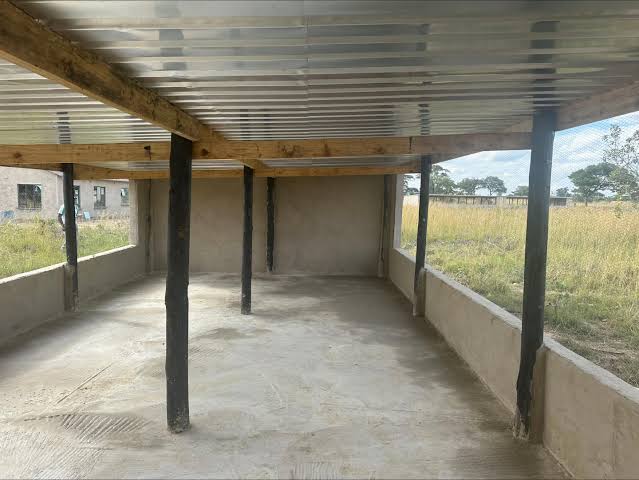
Poles, mud brick, thatch and iron all work. Plenty of profitable batches have come out of cheap structures that were simply thought about properly, and plenty of expensive ones have failed because nobody considered where the wind comes from.
How big should chicken housing in Zimbabwe be?
This is the mistake that catches nearly everyone, so it goes first.
A hundred day-old chicks fit in a corner. A hundred broilers at six weeks need real floor space.
Plan on roughly 10 to 12 birds per square metre at finishing for broilers. Build to that figure.
Brooding density is completely different and much higher: commercial guidance places chicks at around 40 to 50 per square metre in summer and 50 to 60 in winter within the brooding area, then expands the area as the birds grow. That is why a chick guard is the right tool at the start rather than a smaller house.
Overcrowding does not announce itself. It appears as slow growth, wet dirty litter, more disease and birds that never reach the 2kg target. By the time it is visible, the cycle is over.
Ventilation without draughts
These sound contradictory and are not. They are different air, in different places.
Ventilation is air moving through the upper part of the house, carrying out moisture and ammonia. Without it, litter goes wet and ammonia accumulates. If it stings your eyes when you crouch at bird height, it is damaging their airways.
Draught is air moving across the floor where the birds are. That strips heat directly off them and is the commonest cause of chicks piling into one corner.
The practical answer:
- Openings high on the walls, covered with wire
- The lower part of the wall solid
- During brooding, hessian or sacking hung at chick height to block floor-level movement while leaving the upper openings clear
Orientation, sun and heat
Face the long sides away from the prevailing wind.
Overhanging eaves keep rain out of the openings and keep direct sun off the walls in the hot months.
A house that bakes in October is as much a problem as one that chills in June. Heat stress reduces growth without reducing feed intake, which is the most expensive combination in poultry, and it hits hardest in exactly the batches timed for the December market. See broilers for the festive season.
What should the floor be?
The floor has one job: stay dry.
Earth works if it is raised above the surrounding ground so water cannot run in, and rammed hard enough that it does not turn to mud.
Concrete is better, because it can be washed and disinfected properly between batches. If you intend to run many cycles it repays itself in reduced disease.
On top goes bedding several centimetres deep. Wet litter is where coccidiosis starts, and the wet patch is almost always under the drinkers. See coccidiosis in chicks.
How do you keep predators out?
On smallholdings, predators take more birds than disease does in some seasons.
- Close every gap a rat can pass. A rat needs a remarkably small hole.
- Wire all ventilation openings rather than leaving them open.
- Keep feed in sealed containers, not open bags. Open feed is what brings rodents in the first place.
- Shut the house properly at night.
Losing a few chicks each night with no sick birds during the day is a predator, not an illness. People treat for disease for a fortnight before working this out. See why chicks die in the first week.
Housing for free-range and road runners
Ranging birds still need a house to shut into at night, and the run needs to be genuinely enclosed rather than nominally fenced. Hawks come from above and dogs come through gaps.
Shade in the run matters more than people expect in the hot months, and so does a water point the birds can reach without walking back inside.
Free-range flocks also face higher Newcastle exposure, because the disease travels on wild birds, footwear and equipment as readily as on chickens. See road runner chicks in the Midlands.
Leave room to work
You need space to walk in, carry feed, catch birds and clean out.
A house you have to crawl into is a house that gets cleaned less often, and cleaning between batches is not optional.
Design it for cleaning
Between every batch:
- Remove all litter and take it well away from the house, not to a heap by the door
- Wash down and disinfect
- Leave the house empty and dry before restocking
That rest period breaks the disease cycle between batches. A house that cannot be properly cleaned is a house where problems accumulate cycle after cycle until they become permanent.
Urban and township yards
A small batch fits comfortably in a modest yard, provided you keep the house dry, manage the litter, and stay on the right side of council rules and your neighbours.
Odour complaints almost always trace back to wet litter rather than to the birds themselves. Keep it dry and most objections never arise.
Planning a first batch? See starting broiler farming with 100 chicks for the full cycle, the cost of raising 100 broilers for the budget, and chick prices and collection in Gweru when you are ready to order. For a national view of input prices, ChickenPrices.co.zw tracks day-old chick prices.
What we see on our own farm
[Replace this block with two or three sentences of your own, specific to this article’s topic. Something you have actually observed in your own batches: a figure from your records, a mistake you made and fixed, what a Midlands customer told you, what changed between one batch and the next. Two honest sentences here outweigh five hundred words of general advice, and it is the one part of the page nobody else can copy.]
Frequently asked questions
How big should a chicken house be for 100 broilers?
Size it for finishing weight, at about 10 to 12 birds per square metre. A hundred day-old chicks fit in a corner, which is why people build far too small.
What is the difference between ventilation and a draught?
Ventilation is air moving through the upper part of the house, carrying out moisture and ammonia. A draught is air moving across the floor, taking heat off the birds.
Should I use a concrete or earth floor?
Concrete is better because it can be washed and disinfected between batches. A rammed earth floor works if it is raised above the ground outside so water cannot run in.
How do I keep rats out of the chicken house?
Close every gap, wire all ventilation openings, keep feed in sealed containers rather than open bags, and shut the house at night. Open feed is what attracts them.
Sources and further reading
- Cobb — brooding design and management — Placement density in the brooding chamber and how to expand the brooding area as birds grow.
- Cobb Broiler Management Guide — The breeder’s own management guide: chick quality checks, brooding temperatures, stocking density and lighting.
- FAO — Strengthening Zimbabwe’s livestock sector — Context on smallholder livestock, disease burden and sector regulation in Zimbabwe.
