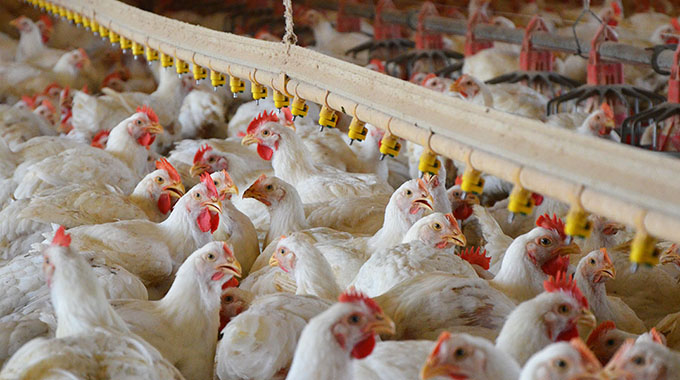
Where to Buy Chicken in Harare: Live, Dressed and Bulk
Buying chicken in Harare is easy. Buying it at a fair price, from a seller you can trust, in the form you actually need, is harder. Prices move week to week, sellers vary widely in quality and honesty, and the cheapest offer is not always the best value once you account for weight, dressing, transport and risk.
This guide is for anyone buying chicken in Harare: households stocking up for the month, tuckshop and restaurant owners buying every week, caterers and event hosts buying in volume, and resellers looking for dependable supply. It explains your options, what each is best for, how to compare prices properly, what to check before you hand over money, and how to find verified sellers so you are not relying on luck.
Quick answer: your main options in Harare
| Where you buy | Best for | Main advantage | Main risk |
|---|---|---|---|
| Directly from a farmer | Live birds, bulk, regular supply | Lowest price, freshest birds | Quality varies; you must verify |
| Butchery or shop | Small, convenient purchases | Easy and immediate | Retail margin makes it dearer |
| Wholesaler or supplier | Businesses and regular volume | Consistent supply, bulk discounts | Minimum orders |
| Informal and market traders | Quick small purchases | Many sellers, easy to compare | Hygiene and weight uncertainty |
| Online, WhatsApp and listings | Finding suppliers fast | Wide choice, easy comparison | Scam risk if you do not verify |
Typical Harare price range this week: [insert live, dressed and per-kilogram ranges from your tracker]. Check the live figures on the daily prices page before you negotiate.
Step 1: Decide what you are actually buying
The biggest mistake buyers make is comparing prices without comparing the product. A live bird, a dressed bird and a pack of portions are three different purchases, and the cheapest label price is often not the cheapest meal.
Live broilers
Live broilers are usually the cheapest per kilogram. A standard market bird weighs around 1.8 to 2.2kg, with heavier birds of 2.5kg and above commanding a premium. You get the freshest possible chicken and control over how it is processed, but you must slaughter, pluck, clean and dress it, or pay someone to. You are also buying weight that will not end up on your plate: feathers, blood, feet, head and entrails.
Dressed whole birds
A dressed bird has been slaughtered, plucked and cleaned. It typically yields about 70 to 75 percent of live weight, so a 2kg live bird becomes roughly a 1.4 to 1.5kg carcass. You pay more per kilogram than for live, but you pay for meat, not waste, and you save the labour. Our guide to dressed vs live chicken prices explains how to compare them fairly.
Portions, frozen packs and offal
Pieces such as drumsticks, thighs and wings suit households and food sellers who need specific cuts. By-products such as gizzards, livers, heads and feet are popular and often cheap. See chicken offal prices in Zimbabwe for what these cost and how they sell.
Road runners (huku yechibhoyi)
Many households prefer road runners for their taste and texture, and they are common at traditional occasions. They are smaller, grow more slowly and usually cost more per bird. If you are unsure which suits you, read broilers vs huku yechibhoyi, and see how to sell road runner chickens if you are on the other side of the deal.
Step 2: Compare prices on the same basis
Here is the comparison trap in action. Suppose Seller A offers live birds at one price per kilogram and Seller B offers dressed birds at a higher price per kilogram. Which is cheaper?
Divide the live price by 0.70 to 0.75 to get the true price per kilogram of meat. If a live bird costs, for example, 3.00 per kilogram live, the equivalent price per kilogram of dressed meat is roughly 4.00 to 4.30, before you count your own dressing labour. (These figures are illustrative to show the method, not market prices.) If Seller B’s dressed price is below that, Seller B is cheaper once you value your time.
Always compare on three points:
- Price per kilogram of usable meat, not price per bird.
- Actual weight, which you verify by weighing, not by the seller’s description.
- Currency and exchange rate, which can quietly change the real price. See ZiG chicken prices in Zimbabwe.
If you are buying live, ask for per-kilogram pricing. A flat per-bird price hides the weight, and a small bird at a flat price is a poor deal. The full reasoning is in chicken price per kg in Zimbabwe.
Step 3: Know where Harare buyers get chicken
Directly from farmers
Buying from a farmer on the edge of the city often gives the best price, because there is no middleman and no retail margin. It also gives you the best chance of getting a bulk discount and a standing arrangement. The trade-off is that you must verify the farmer’s reliability yourself: are the birds healthy, are the weights accurate, will they deliver on the day?
Browse the farmer directory to see producers, their listings and quantities. Directory listings give you something a random post cannot: a record you can check.
Butcheries and shops
Convenient for small quantities, and you can see what you are buying. You are paying for the shop’s rent, cold storage and margin, so the price per kilogram is usually higher than buying direct. Prices differ between suburbs and between outlets, so it is worth comparing two or three before settling on a regular shop.
Wholesalers and suppliers
If you buy weekly or in volume, a wholesaler or dedicated supplier offers consistency and better pricing. Expect minimum order sizes, and negotiate a standing price rather than renegotiating every week. If you buy for a business, read how to buy chicken in bulk in Zimbabwe.
Informal traders and markets
Open markets and roadside traders offer many sellers in one place, which makes it easy to compare prices. Quality and hygiene vary a great deal, and weights are often estimated rather than measured. If you buy here, insist on weighing, inspect the birds closely and keep the cold chain in mind for anything that will not be cooked immediately.
Online, WhatsApp and listing platforms
Online listings and WhatsApp groups give you the widest choice in the least time. They are also where most buyers get burned, because anyone can post a photo. Use listings that show verified sellers, and read how to avoid chicken scams in Zimbabwe before you pay anyone you have not met.
Step 4: What a fair price looks like
A fair price is one that covers the seller’s costs and a reasonable margin without exploiting your ignorance. You cannot judge that without a benchmark, so build one before you shop.
Check the daily price tracker and the chicken prices overview, then call or message three sellers and compare. If one is far below the others, ask why. A price well under the market is more often a warning sign than a bargain, for reasons covered in the section on scams below.
Prices also move for predictable reasons. Feed costs set the floor, because when feed rises, producers raise prices after a lag. Demand climbs from late November through December and around Easter. Local oversupply can push prices down for a few weeks. If you understand these drivers, you can time bulk purchases and avoid paying peak rates. See seasonal price fluctuations and the live broiler prices guide.
Step 5: Inspect before you buy
Inspecting live birds
A healthy bird is alert, with bright eyes, clean nostrils, a firm body and clean, dry feathers. Walk around the pen or coop, not just the birds the seller brings to you. Warning signs include birds that are huddled and dull, laboured breathing, swollen eyes, watery droppings, dirty vents or an unusually high number of weak birds. If the seller will not let you see where the birds are kept, treat that as an answer.
Weigh a random sample of at least ten birds, and agree the price on the average weight if you are buying per kilogram. If the sample comes in below what you were promised, renegotiate before paying, not after.
Inspecting dressed birds
Fresh dressed chicken should have pale pink, moist skin, a clean smell and firm flesh. Avoid birds with a sour or sharp odour, slimy surface, grey or greenish patches, or dried-out skin. Check that the carcass has been cleaned properly and that no feathers or entrails remain.
Ask how the birds were stored. Dressed chicken left at room temperature for hours in Harare’s heat is a food safety risk, however good the price. Prefer sellers who keep stock chilled or frozen and can tell you when it was processed.
Step 6: Handling and storing chicken safely
Whatever you buy, protect your investment and your family’s health:
- Keep it cold. Chill fresh chicken promptly and use it within a day or two, or freeze it. Frozen chicken should be thawed in a fridge or in cold water, not left out on the counter.
- Cook thoroughly. Chicken should be cooked until it is no longer pink at the bone and the juices run clear.
- Prevent cross-contamination. Use separate boards and knives for raw chicken, and wash your hands and surfaces after handling it.
- Transport carefully. If you are carrying birds across town, keep live birds ventilated and out of the sun, and keep dressed birds in a cool box or clean sealed container.
Power cuts affect storage, so if you buy in volume, plan for how you will keep stock cold or sell and cook it quickly.
Step 7: Buying for events and businesses
If you are buying for a wedding, funeral or church event, quantity planning matters as much as price. Work out how many birds you need before you shop, then add a buffer. Our guide on how many chickens you need for an event gives the formula.
Order early. Demand and prices rise in December and around Easter, and sellers sell out. If you are buying for the festive season, read broilers for the festive season and secure your order and your price well ahead.
If you are buying for a restaurant, caterer or tuckshop, consistency matters more than the lowest one-off price. Negotiate a regular arrangement with two or three suppliers so you are never stranded when one fails. See buy chicken in bulk in Zimbabwe.
Step 8: Payment, currency and protecting yourself
Agree the price, the currency and the exchange rate before the birds move. A deal quoted in USD but settled in ZiG at a rate that favours the seller can add a significant amount to your cost. Write it down in a message so there is a record.
To protect yourself:
- Pay on collection or delivery whenever possible.
- For large orders, pay a small deposit only, and the balance on delivery.
- Use a traceable payment method and keep receipts and message history.
- Be suspicious of any seller who demands full payment up front, refuses a video call or visit, or offers a price far below the market.
You can also order through a protected route on the buy page, which is designed to reduce the risk of paying a seller you cannot verify. For the full checklist, see how to avoid chicken scams in Zimbabwe.
Step 9: Find a verified Harare supplier
Reliable suppliers share a few traits: they answer questions directly, they let you see the birds, they weigh in front of you, and they have a history of repeat buyers. Look for sellers who are happy to be verified, rather than ones who avoid it.
Start with the verified buyers and sellers page and the farmer directory. Check chicken on promotion for current offers. Once you find a good supplier, build the relationship: pay on time, give clear orders and feedback, and you will often get better prices and first call on stock when supply is tight.
If you want to compare Harare with other regions, see where to buy chicken in Bulawayo and where to buy broiler chicken in the Midlands. If you are buying day-old chicks to raise your own, read broiler chicks in Harare: the complete farmer’s guide.
A simple buying checklist
Before you pay, run through this list:
- Have I decided whether I want live, dressed or portions?
- Have I checked the going rate on the price tracker?
- Have I compared at least three sellers?
- Is the price per kilogram, and have I weighed a sample?
- Have I agreed the currency and exchange rate in writing?
- Have I inspected the birds, or checked proof if buying remotely?
- Do I know how I will store, transport and cook or sell the chicken?
- Am I paying a safe way, ideally on delivery?
Frequently asked questions
Where is the cheapest place to buy chicken in Harare?
Usually directly from a farmer or a wholesaler, because you avoid retail margins. Cheapest is not always best value: factor in weight, dressing, transport and the reliability of the seller.
Is it cheaper to buy live or dressed chicken?
Live is cheaper per kilogram, but you lose roughly 25 to 30 percent of the weight in processing and you must do the work. Compare on price per kilogram of usable meat.
How much does a chicken cost in Harare?
[Insert current range from your tracker]. Check the daily price tracker for this week’s figures, because prices change.
How do I buy chicken in bulk in Harare?
Contact two or three producers or wholesalers, ask for per-kilogram pricing, weigh a sample and agree terms in writing. See buy chicken in bulk.
How can I avoid being scammed when buying chicken?
Verify the seller, ask for fresh proof of stock, pay on delivery where possible and be wary of prices far below the market. See how to avoid chicken scams.
When is chicken most expensive?
Typically from late November through December and around Easter, when demand peaks. Order early to avoid shortages.
Start buying with confidence
You now know your options, how to compare prices properly and what to check before paying. The fastest next step is to browse verified farmers or place a request on the buy page. If you raise chickens near Harare and want to reach buyers like the ones reading this, list your chickens for sale.
Prices change week to week. Always check current rates before agreeing a deal.
