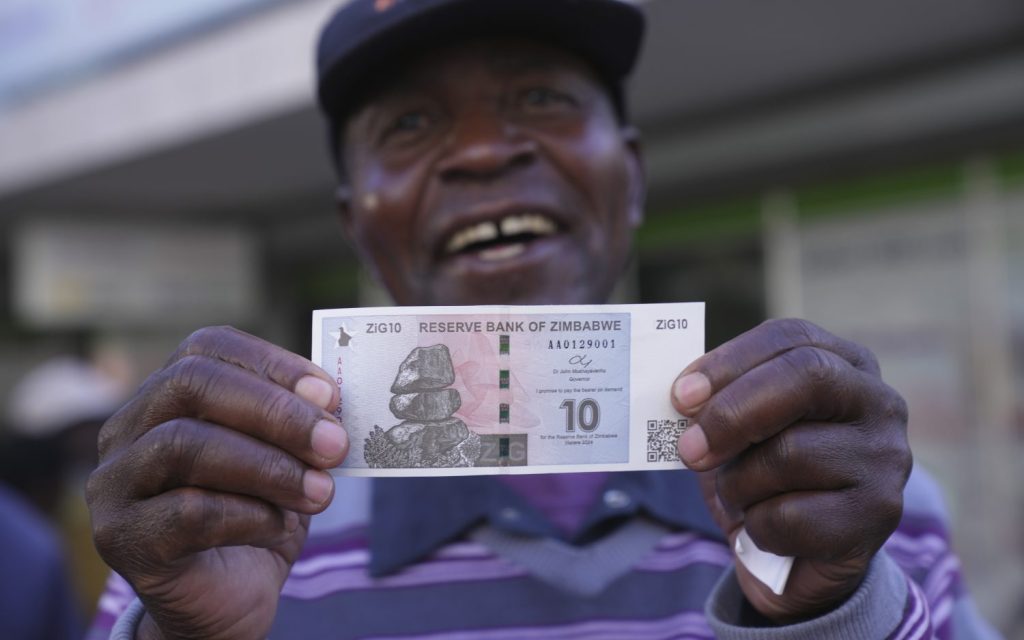
ZiG vs USD: How Currency Affects Chicken Prices in Zimbabwe
If you have ever compared US dollar chicken prices at supermarkets or butcheries to what informal sellers charge in ZiG, you may have noticed a discrepancy that defies simple arithmetic. There is no consistency at all; one channel seems much cheaper or much more expensive than the other.
Zimbabwe’s dual-currency economy creates persistent and fluctuating price differences in the chicken market across the country. We are going to break down how the ZiG and the USD interact and affect both farm gate and retail pricing. Whether you are a farmer, retailer, or consumer, it’s important to master the unique currency exchange rates.
Chicken Prices in Zimbabwe’s Dual-Currency Economy
Zimbabwe officially operates with the Zimbabwean Gold (ZiG) as its domestic currency and the US dollar (USD) as the second currency. The latter is widely used in formal commerce, large transactions, and many supply chain pricing decisions. Although there is an official exchange rate, there is also room for buyers and sellers to set and agree on a certain price.
Formal retailers, supermarkets, and large suppliers typically price their chickens in both currencies. Most informal market transactions happen primarily in USD. Feed, day-old chicks, and many production inputs are priced in USD but you can make a purchase in ZiG, usually at a rate higher than the official.
Government pricing guidance, utility bills and institutional contracts are primarily quoted in ZiG. The currency mixture creates a situation where the same chicken can carry a different higher price when you pay in ZiG than when you use USD, or vice versa. So, basically, before conducting a transaction in local currency, you have to ask for the exchange rate the seller wants.
How Currency Affects the Farm Gate Price
The cost of producing a broiler chicken in Zimbabwe is denominated in USD, even when individual transactions are possible in ZiG. Here’s why; first, hatcheries typically reference their day-old chick prices in USD. Next, Zimbabwean manufacturers use imported USD-quoted soya meal and additives to produce chicken feed. The import market influences the cost of locally produced maize.
Also, Poultry vaccines and other veterinary supplies are mostly imports, charged in USD. Finally, fuel pricing in Zimbabwe closely tracks USD. This directly affects transport costs for live or frozen dressed birds. So, the American dollar is a second currency but it dominates the poultry market.
Therefore, if broiler farmers wish to transact in ZiG, they will have to refer to the USD as the pricing standard. The trouble is when the local currency weakens, the cost of buying feeds and other inputs rises. Consequently, customers will pay higher farm gate prices in ZiG when the local currency dips.
How the Fluid Exchange Rate Creates Price Gaps
The Reserve Bank of Zimbabwe (RBZ) sets the formal ZiG-USD exchange rate. However, the effective rate in informal transactions is never fixed. This creates what economists call a parallel market premium. This means a gap between the official rate and the rate at which the currency actually changes hands in practice.
Here is an example to demonstrate how the parallel rate gap affects chicken prices. Suppose a dressed broiler is USD $4.00 per kg at a supermarket. Being a formal retailer, the supermarket uses the official rate of 30ZiG to USD $1. So, the chicken is 120 ZiG per kg. But at wet markets, where the ZiG trades at 35ZiG to the dollar, a seller who wants to recover $4.00 value has to charge 140ZiG.
A buyer comparing these prices without understanding the exchange rate dynamic might conclude that the supermarket is dramatically cheaper — when in reality the goods have identical value in USD terms. You can check out the live price tracker on this site for current prices in both currencies for easier comparisons.
Who Is Most Affected by the ZiG/USD Dynamic?
There are several parties that will either benefit or lose out because of the slack in the currency system. The ZiG parallel market is a precarious jungle that both buyers and sellers have to navigate.
Smallholder Farmers
Small-scale broiler farmers,with 100 birds or less, normally buy day-old chicks and feeds in USD (or USD-equivalent ZiG). And if they have to sell their birds in ZiG at informal market rates, they’ll be caught in a currency squeeze. When the informal rate lags or the official rate is applied to their ZiG, their real profit margin shrinks.
Restaurant and Catering Buyers
Restaurants managers and caterers who set prices in USD but procure chicken, and other food and beverage supplies from mixed-currency channels need to be particularly careful about the currency basis of every quote they receive. A ZiG-denominated price can look attractive at the official rate but represent a worse deal at the effective rate.
Bulk Buyers
Wholesalers and other bulk buyers are well positioned to negotiate explicit USD pricing with producers and abattoirs, eliminating the ZiG exchange rate risk. Confirm the currency before entering into a deal with them. Also note that Wholesale and retail chicken prices in different parts of the country will vary significantly.
Households
Households shopping at informal markets in ZiG are most directly exposed to the currency effect. When ZiG weakens, the apparent price of chicken at the market rises even when supply and demand picture have not changed. This can create a hodge-podge of prices that rise without reason or warning.
ZiG vs USD Prices: Practical Tips for Sellers
Chicken farmers and traders deciding how to price and transact in the mixed currency economy can take the following steps to make the most of their operations.
- List on Our Website. List on ChickenPrices sellers page to reach buyers who are actively looking to transact at a fair prevailing rate.
- Price in USD Where Possible. If your buyers can transact in USD, doing so eliminates your exposure to ZiG volatility.
- Use the Prevailing USD-ZiG Rate. Applying the official rate when the market is pinned on a higher effective will erode your margin.
- Understand Your Payment Channels. The Method of payment (Ecocash, InnBucks, or hard cash) affects the effective currency rate.
Currency, Imports, and the Price Competitiveness of Local Chicken
Imported frozen chicken from South Africa is priced in South African Rand (ZAR), which is the third currency and has its own relationship with the USD. The effective ZAR/ZiG exchange rate determines how competitively priced imported birds are relative to locally produced chicken.
When ZiG weakens against the ZAR, the cost of imported chicken in local currency rises. This offers local producers temporary relief from import price competition. On the other hand, when ZiG is relatively stable or strong, import prices become more competitive in ZiG terms, squeezing local producers.
Read further to learn more about the effect of import prices on ZiG price.
Tracking Chicken Prices Across Both Currencies
Our website has the most practical tool for navigating Zimbabwe’s dual-currency chicken market. The weekly price tracker publishes indicative prices in both ZiG and USD. This allows buyers to compare prices across currency, sellers to quote their chickens at the correct market rates, and policymakers to track price trends across the formal/informal divide.
Farmers can also track their own buying and selling prices over time in both currencies, using our free price tracker template. This is a downloadable spreadsheet designed specifically for this purpose. And if you want to learn how to interpret price data, we have resources on how to read a chicken price tracker.
Zimbabwe’s Currency History and Chicken Prices
Zimbabwe’s currency story is an illustrious one. In 2003 to 2008, the country lived through hyperinflation, where Bearer’s cheques, printed in Billions, Trillions, and even Quintillions set world records. This situation which was momentarily cooled down by Dollarisation in 2009. But the re-introduction of a local currency, the Real Time Gross Settlement (RTGS) dollar brought back the inflation in 2018-2019.
Today, the gold-value-backed ZiG runs alongside the USD. The above transitions changed set the price of chicken and everyday goods ablaze. A Decade of Chicken Prices in Zimbabwe: 2016–2026 article traces how the monetary policies affected broiler prices. You can also read this piece on how Inflation has reshaped chicken prices in Zimbabwe
ZiG vs USD Prices Summary
Zimbabwe’s dual-currency economy adds a layer of complexity to chicken pricing. Buyers and sellers must navigate the environment by consistently confirming the currency basis of every quote. You can also take advantage of our live price tracker to keep an eye on both ZiG and USD rates.
You can find verified verified sellers listed on this site and discuss currency terms directly. We also have a complete manual on chicken prices where you can discover all the other factors shaping the market. Always return to our website to explore price guides, farming resources, and market trends.
Frequently Asked Questions
Why is chicken more expensive in ZiG than the USD price would suggest?
The effective ZiG/USD exchange rate in informal markets often differs from the official rate. Sellers pricing chicken in ZiG typically use the effective rate, which means ZiG prices may appear higher when converted at the official rate. See our price tracker for ZiG and USD rates side by side: live price tracker.
Should I buy chicken in ZiG or USD in Zimbabwe?
Before deciding whether to buy chicken in USD or ZiG, consider things like the payment method and the effective rates available to you. The key is ensuring you are using the right exchange rate to compare. Use our price tracker to see both currencies in context.
Do farmers prefer to be paid in ZiG or USD?
Most farmers whose input costs are in USD prefer USD payment, as it eliminates exchange rate risk. Some accept both. Clarify payment currency upfront when contacting sellers.
How does currency affect the price of day-old chicks in Zimbabwe?
Day-old chick prices are typically USD-based. When ZiG weakens, the effective ZiG cost of chicks rises, increasing the cost base for the batch. See our guide: Day-Old Chick Prices in Zimbabwe.
Got more questions? See the Chicken Prices in Zimbabwe FAQ.
Last updated: June 2026. Exchange rate dynamics change frequently. For current ZiG and USD chicken prices, visit our live price tracker.
