Best Layer Feed in Zimbabwe: Comparing the 6 Top Brands
Unlike with broilers that can reach slaughter weight and sell in 5–7 weeks, egg chickens have to stay on feed for 12–18 months of continuous production. A cheap quality layer feed brand results in fewer eggs and lighter egg weight, costing the farmer lots of money over time.
Stockfeeds accounts for approximately 70% of the total cost of raising chickens. Therefore, the brand you choose and how closely you follow its phase programme is critical to the profitability of your egg enterprise. This guide ranks Zimbabwe’s top 6 feed brands according to performance data and farmer recommendations. See our broiler feed price tracker for the latest information.
Why Layer Feed Is Different from Broiler Feed
The nutritional requirements of a laying hen are fundamentally different from those of a broiler. Using the wrong feed or an incomplete phase programme destroys both egg production and bird health. Although a broiler is fed for rapid muscle and weight gain over a short cycle, laying hens require more sustenance to support the following:
- Egg production over 12–18 months without collapsing laying rate.
- Egg quality with good shell strength, right yolk colour, and albumen firmness, which determines your grade at market.
- Calcium supply — layers need significantly higher dietary calcium than broilers or pullets. Calcium is typically 3.5–4.5% of the diet during peak lay to build egg shells.
- Pullet development, which is the phase from day-old to point-of-lay or week 1–18, requires controlled protein and energy intake to develop a correctly-sized pullet that begins laying at the right weight; overfeeding or underfeeding at this stage shifts the entire production curve.
Layer feed must therefore cover at least three distinct phases: chick/starter (day-old to ~8 weeks), grower/developer (8–18 weeks), and layer (18 weeks through end of production). Competitive brands may also include pre-lay, peak-lay, and late-lay phases. Feeding a broiler starter to a layer pullet, or feeding layer mash to a bird still in the grower phase, produces quantifiable production losses.
A Hy-Line Brown hen consumes approximately 115–120 grams of feed per day during lay. For 500 birds, that is 57.5–60 kg of feed per day, and roughly 1,700–1,800 kg per month. At such volumes, even a small price or performance difference can compound significantly.
The Top 6 Layer Feed Brands in Zimbabwe
Ranked according to various Zimbabwean farming guides, business directories, and agricultural education platforms, the main commercial layer feed brands operating in Zimbabwe are:
- Profeeds — Most respected brand with 5-phase programme
- National Foods Stockfeeds — Second best recommended alongside Profeeds
- Agrifoods — civil servant credit, Agrifoods layer range for laying hens
- Novatek Animal Feeds — consistently named in independent guides; pullet and layer range
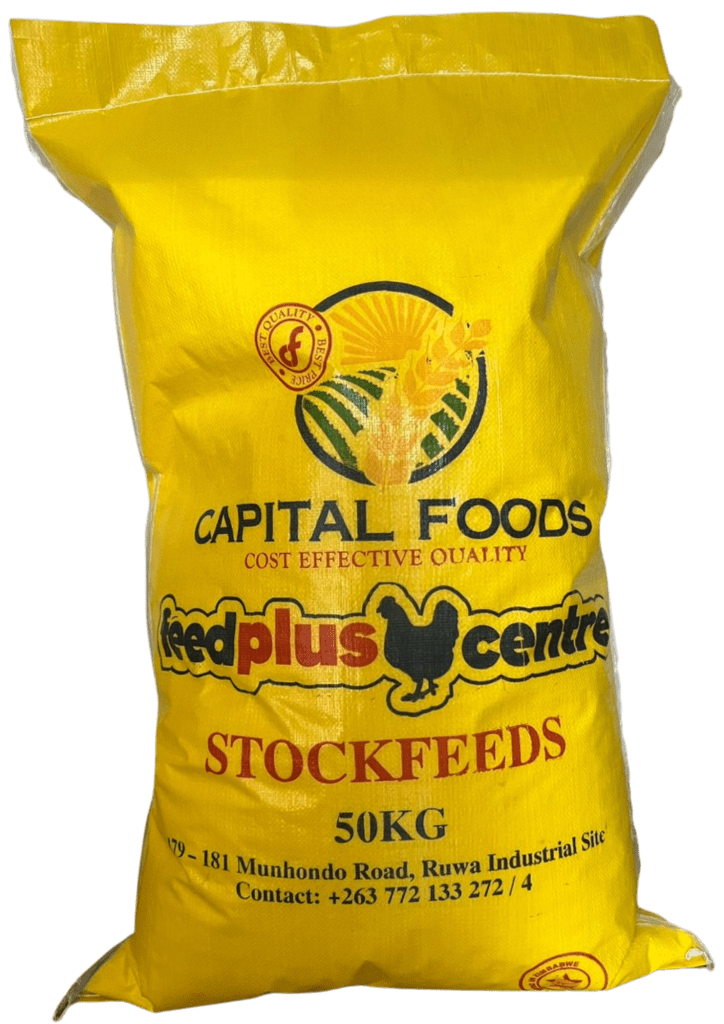
- Capital Foods — documented layer feed with INOVET maxi-pack system
- FeedMix / Hamara Feeds — regional options in the Stockfeed Manufacturers Association
Brand-by-Brand Breakdown
1. Profeeds — Respected Brand with 5-phase layer program
For nearly two decades, Profeeds has been manufacturing stockfeeds for poultry, rabbits, goats, dairy cattle, and horses. The company is famous for its 5-phase feed which caters for different stages of layer hen growth. As one of its contract farming initiatives, the brand engages professional growers to produce quality Point of Lay (POL) chickens.
Layer-specific programme:
The 5-phase programme, compared to the traditional 2-phase system, allows calcium levels, protein, and energy to be adjusted precisely at each stage; rearing, pre-lay, peak-lay, and late-lay. The pre-lay phase, for instance, requires transitioning to a higher calcium diet to prepare the oviduct. Feeding the layers incorrectly results in losses for the farmer.
The 5-phase layer system is as follows;
- Chick Starter Mash
- Layer Developer Mash
- Pre-lay Mash
- Layer in Production Mash 1
- Layer in Production Mash 2
Layer Out-Grower Scheme and Farmer Support:
The Profeeds Layer Out-Grower Scheme grants up to 25,000 chicks each month to contract farmers, along with layer feed and veterinary services. The farmers take the chicks up to 18-weeks (point-of-lay stage) and the company sells the hens via Profarmers and Profeeds shops across the country. This system provides a convenient start for small-scale egg farmers with lower costs.
In addition to clear user instructions and the Layer Management guide on its website, Profeeds trains 7,500–9,000 farmers annually through free seminars. This helps beginners and intermediate growers to learn he ropes and maximize profitability.
Distribution:
You can get stockfeeds for your layer hens from over 45 stores around the country. Whether you are in Harare, Bulawayo, or other regions, remote or metropolitan, there is a Profeeds layer feed stockist near you.
Verdict:
Though it may be a bit more costly than most, poultry experts view this 5-phase brand as the first choice for Zimbabwean farmers looking for bird health and good egg production. The Profeeds Layer Out-Grower Scheme offers easier entry to farmers of all ranks. And the free farmer training seminars are an absolute bonus.
National Foods Stockfeeds – ISO Certified & Trusted for Quality
National Foods insists on meeting international standards and its Stockfeeds division is no exception to the rule. Based in Harare, the company is more established than Profeeds. Like most reputable manufacturers, National Foods picked up the 9001 ISO certificate through the Standards Association of Zimbabwe.
Layer-specific programme:
National Foods offers a distinct layer feed range, with pullet and layer mash and crumble. The company specifies two types of pullet feed; Chick Mash for 0 to 7 weeks and Grower’s Mash for 7 weeks to 18 weeks. The chick mash contains an anticoccidial.
From point of lay to 80 weeks, your chickens can take the 3-phase layer mash or pellet system, which includes;
- Early-lay: 18 to 40 weeks
- Mid-lay: 40 to 60 weeks
- Late-lay: 60+ weeks
Concentrate option:
National Foods offers a concentrate option, ideal for egg farmers in grain-producing areas who want to reduce feed costs. The manufacturer’s website offers clear mixing instructions to preserve the formulation quality.
Verdict:
Appearing alongside the acclaimed Profeeds brand in independent farmers’ guides such as ZimLedger’s egg farming article, National Foods is clearly a favored option. The company’s ISO certification makes the product reputable. This pullet and layer feed programme is well-suited to commercial and semi-commercial egg operations.
3. Agrifoods — Offers Stock Feeds on Credit with Specialist Advice
Established in 1987, Agrifoods is part of the Crest Poultry Group. Stock Feeds products from this company are available at Farm & City Centre outlets around Zimbabwe. And just like National Foods, the brand offers a concentrate option for its three-phase feed.
Layer-specific focus:
In the product description, Agrifoods calls out calcium, protein, and vitamin content specifically for egg production and shell quality — the right nutrients to emphasise for a laying hen feed. You can either go with the 3-phase mash or the mash concentrate alternative.
The Chick Starter Mash, feeds the birds from 0 to 7 weeks and the Growers’ Mash takes your flock to 17 weeks. Just before, the point-of-lay, you can introduce the final phase; the Gold Line Layers Mash (also available as pellets).
Support for farmers:
All civil servants wishing to start egg production can take advantage of the Agrifoods credit facility, which only requires a national ID and payslip. This means that the farmer can start their business with minimal capital.
Agrifoods also offers expert advice service covering chicken rearing and farming questions including layers, with: “No question is too big or small.” This is a practical support mechanism for first-time egg farmers.
Verdict:
Although less frequently mentioned as a standalone brand than Profeeds or National Foods, Agrifoods credit scheme is a no-brainer for farmers in the civil service. Also the 3-phase mash and mash concentrate come with clear labelling and nutrient specifications. This proves the brand’s integrity.
4. Nova Feed Zimbabwe — Best Mobile App & Farmers Resources
Nova Feed Zimbabwe, based in Bluffhill Industrial Park in Harare, distributes layer feed, in addition to pullet feed and broiler feed. According to independent farming guides, NovaFeed is one of the core recommended brands. The company has one of the best mobile apps with great resources for farmers in Zimbabwe.
Layer-specific offering:
Novatek has a separate product pullet feed and layer feed. You would start using the layer line at 18 – 19 weeks when the hens starts producing eggs. This is important to note because feeding layer mash to a growing pullet delivers excess calcium to a bird not yet producing eggs. And this causes kidney damage and can shorten productive life significantly.
What experts say:
M&J Consultants’ farming guides name Nova Feed twice across two separate articles as a “reputable” feed brand for Zimbabwean poultry operations. The ZimLedger egg farming guide lists Nova Feed as a feed option with address and contact. The company is also included in Zimbabwe’s Stockfeed Manufacturers Association membership.
Mobile app and Support:
Nova Feed is one of the few brands to offer free mobile app-based layer management support. For a farmer without access to a consultant, this is a practical field tool. The company also offers free trainings to local farmers. On top of that, you can use the Huku263 support system via WhatsApp.
Verdict:
One of the selling points for Nova Feed is its specific pullet feed product, which allows the chickens to develop perfectly with proper nutrition before taking in the layer phases. It is suitable for small-to-medium operations, and farmers with access to maize can enjoy the concentrate option. The mobile-friendly support is another plus for this brand.
5. Capital Foods — INOVET Maxi-Pack System for On-Farm Mixing
Capital Foods is a member of Zimbabwe’s Stockfeed Manufacturers Association. Through its INOVET division, Capital Foods produces concentrate supplements designed for on-farm mixing.
Layer-specific system:
Capital Foods layer feed system, kicks off with a chick start mash, suitable for birds 0-8 weeks old. Then, you progress to the Chick Grower feed for week 9-16. Thereafter, you get the Layer Mashes to finish off.
The INOVET feed mixing division produces maxi packs, a pre-mix which contain calcium, phosphate, lysine, methionine, threonine, feed enzymes, and mineral-vitamin. Farmers can then combine this with their own maize and protein source to produce a complete ration.
Who it suits:
Capital Foods’ maxi-pack system is specifically relevant to egg farmers in maize-growing areas who have reliable access to their own maize and want to produce layer feed on-farm at lower cost. The premix system ensures the critical micronutrients — especially vitamins, minerals, and the calcium that shell quality depends on — are correctly included, even when the bulk carbohydrate component comes from the farmer’s own grain.
Verdict: Not as frequently independently cited as a standalone brand in consumer-facing farming guides, but the INOVET maxi-pack is a documented and legitimate on-farm feed mixing system used by Zimbabwean poultry farms. Most relevant for larger operations with grain access.
6. Hamara Feeds — Matabeleland Distribution, Vertically Integrated
Who they are: Hamara Feeds is part of the Hamara Group, which also operates Sondelani Ranching (the largest day-old chick supplier in Bulawayo). Hamara Feeds is a member of Zimbabwe’s Stockfeed Manufacturers Association. Hamara Farmer Centers supply layer feeds alongside the Hy-Line point-of-lay birds produced at Sondelani’s hatchery.
Layer-specific relevance: Because Hamara both hatches layer chicks (Hy-Line birds at Umguza) and sells layer feed through its Farmer Centers, a Bulawayo or Matabeleland egg farmer can source matched chicks and feed from the same group — similar to the Irvine’s/Profeeds chick-and-feed pairing for broiler farmers in the Harare region.
Verdict: Primarily relevant for farmers in Bulawayo and Matabeleland. Limited independent citation in national guides, but the vertical integration (chick + feed from the same group) is a practical convenience for farmers in the south.
Rankings Summary
You probably have some kind of bias towards a certain brand. However, by taking a look at the facts and figures for all six products, side-by-side, you will be able to make a more informed decision.
| Rank | Brand | Key Strength | Best For |
|---|---|---|---|
| 1 | Profeeds | Most cited; 5-phase programme; 25,000 POL birds/month; 45 stores; free training | All farm sizes and regions; Hy-Line and ISA Brown |
| 2 | National Foods Stockfeeds | Consistently co-recommended; structured layer range; national reach | Commercial and semi-commercial operations |
| 3 | Novatek | Documented pullet feed; consistently in guides; mobile app | Farmers managing full rearing phase; own-maize operations |
| 4 | Agrifoods | Civil servant credit; free advice; layer-specific calcium/protein formulation | New entrants; civil servant farmers; small-scale |
| 5 | Capital Foods (INOVET) | Maxi-pack on-farm mixing system | Larger farms with own maize/grain supply |
| 6 | Hamara Feeds | Integrated chick + feed from same group in Matabeleland | Bulawayo and Matabeleland region egg farmers |
What to Compare When Choosing a Layer Feed
Now, let’s go though the list of key factors that determine the efficiency of egg chicken feed.
Feed and chick alignment: Different layer chicks perform well with a specific feed. For example, if you opt for Hy-Line chicks from Profeeds or Charles Stewart’s point-of-lay scheme, you should definitely go with Profeeds layer feed.
Phase programme depth: Pick the brand with enough phases to match several bird ages. A 5-phase feed programme, such as the one by Profeeds, is the most precise as it addresses the nutritional needs for a wide range of hen development stages. A 3-phase system, with starter, grower, and layer feeds, is the acceptable minimum. A 2-phase or single-mash approach across all ages is inadequate, particularly for commercial Hy-Line Brown performance.
Calcium content at lay: Laying hens need 3.5–4.5% calcium in their diet. Check your supplier’s product specification sheet, and if they cannot provide this information, you should probably consider an alternative.
Comprehensive labeling and User instructions: the packaging shouldn’t just read layer feed; there should be comprehensive labels and specific user instructions. Novatek is the brand with the most explicit documentation for all its stockfeeds.
Concentrate vs complete feed: Farmers with reliable maize supply can save money by mixing concentrate with their own grain. National Foods, Novatek, and Capital Foods all have concentrate or maxi-pack options. And, of course, farmers without consistent maize access should buy complete feeds from the likes of Profeeds.
Frequently Asked Questions
What is the best layer feed in Zimbabwe?
Profeeds is the most widely recommended layer feed brand in Zimbabwe, with the most detailed 5-phase programme. You can also go for National Foods Stockfeeds which is consistently ranked alongside Profeeds.
How much layer feed does a hen eat per day?
A commercial layer hen such as Hy-Line Brown or ISA Brown, consumes approximately 115–120 grams of layer mash per day. 100 birds take up to 12 kg per day and 500 birds approximately 57–60 kg per day.
What is the difference between pullet feed and layer mash?
Pullet feed is formulated for growing birds at roughly 8–18 weeks, with controlled protein and energy and low calcium, to allow correct frame development without stimulating early lay. Layer mash is formulated for birds in production, with higher calcium content of 3.5–4.5% o facilitate shell building.
What should I use for layer feed; pellets or mash?
Both options work. Mash is the traditional and dominant format in Zimbabwe. Pellets reduce wastage at the feeder and may improve feed intake consistency. The most important variables are the nutritional specification of the ration and phase accuracy; not pellet vs mash.
Does Profeeds train farmers on layer management?
Yes, Profeeds introduced Layer Management seminars in 2019 alongside its existing Broiler Management training. The free seminars are held throughout the year and trained 7,500–9,000 farmers annually as of their most recent published figures, with Layer Management added as a dedicated track.

One response to “Top 6 Layer Feed Brands in Zimbabwe”
[…] to egg prices — usually with a lag during which producer margins are squeezed. Our guide to layer feed covers this cost base in […]